
DOWNSIZING ON THE OBX: TURNING A VACATION RENTAL INTO YOUR RETIREMENT HOME
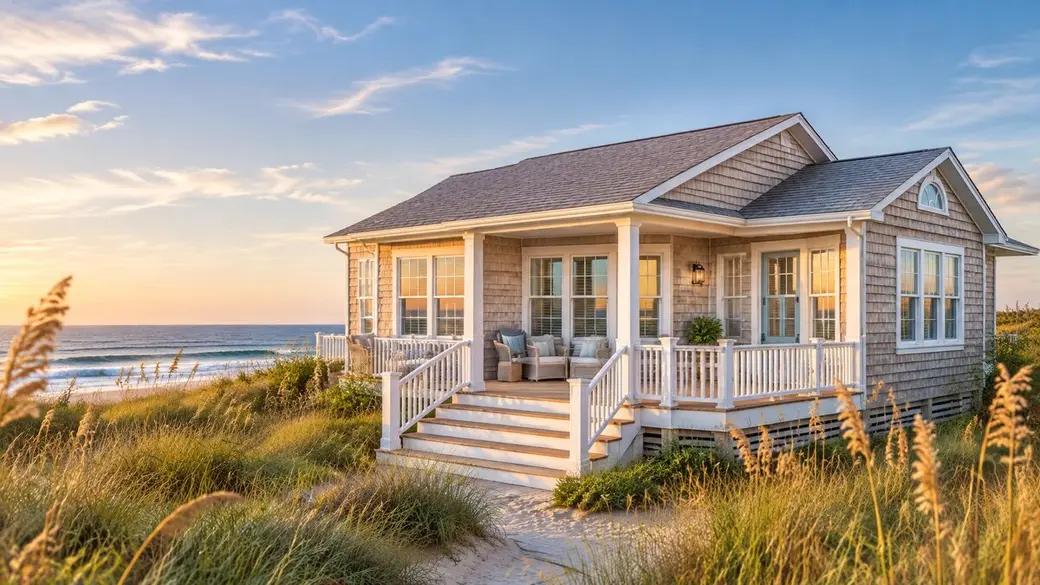
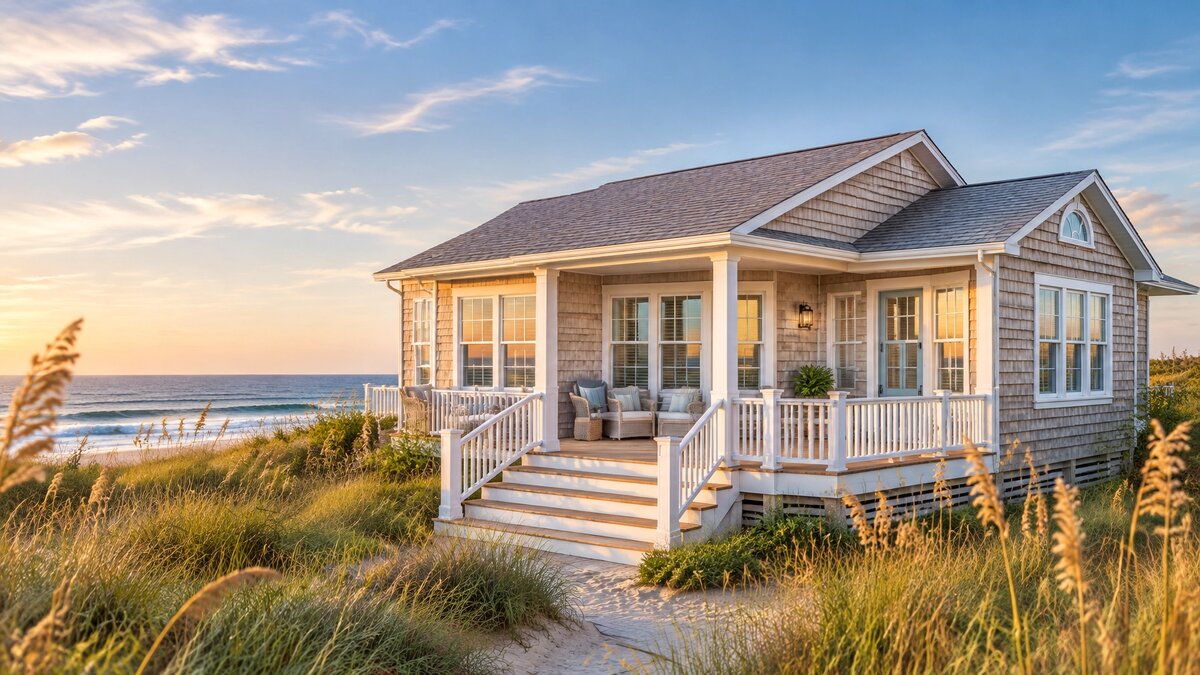 DOWNSIZING ON THE OBX: TURNING A VACATION RENTAL INTO YOUR RETIREMENT HOME
The Outer Banks is more than a destination.
It is morning walks along the sound. Fresh coffee on the porch. Dinner with neighbors. A slower pace shaped by salt air, sunlight, and wide-open water.
For many vacation-rental owners, the dream has evolved. The rental calendar once represented opportunity. Now, it may feel like a second job.
Guest messages. Turnover schedules. Maintenance calls. Storm preparation. Insurance renewals. Constant decisions about pricing and occupancy.
At some point, the question becomes simple:
What if this property supported your retirement lifestyle instead of your rental business?
Downsizing on the OBX can help you trade the rental grind for a smaller, easier-to-own home, while potentially unlocking equity, simplifying your finances, and creating more time to enjoy the life you worked to build.
Heather Dozier, your Outer Banks Home & Lifestyle Expert, helps owners evaluate that transition with both financial awareness and local insight.
KNOW WHEN THE RENTAL MODEL NO LONGER FITS
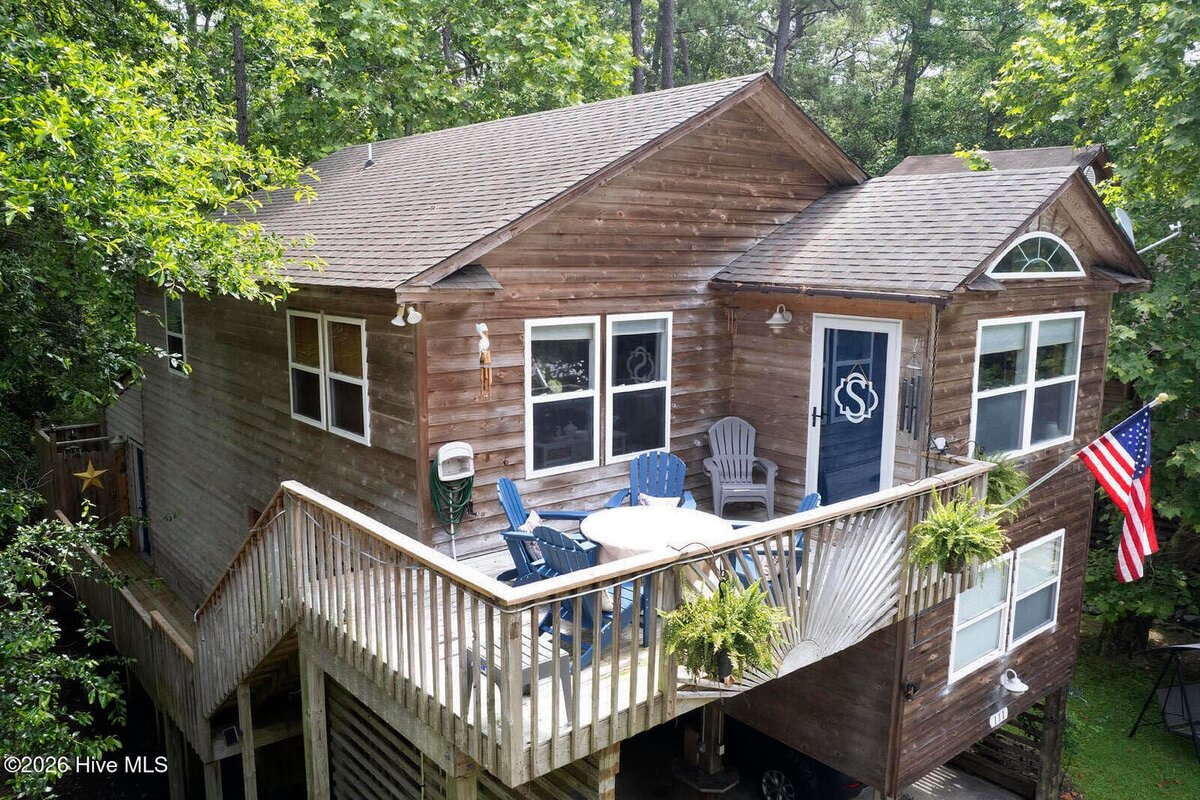 A vacation rental can be a powerful real estate investment. But the highest-revenue property is not always the best retirement property.
Large homes often bring:
- More bedrooms to furnish and maintain
- Larger HVAC and utility costs
- More exterior upkeep
- Higher storm and insurance exposure
- More frequent repairs between guest stays
- Greater dependence on peak-season rental income
- More pressure to keep occupancy high
Your priorities may also be changing.
You may want one-level living. A smaller footprint. Less outdoor maintenance. A quiet neighborhood. A soundside view instead of a private pool. A home that works for two people instead of twelve guests.
That is not a step backward.
It is a strategic right-sizing decision.
The goal is not simply to own less. The goal is to own better for the life you want next.
MAKE THE EMOTIONAL AND FINANCIAL CASE
Selling a vacation rental can feel emotional. You may have built family traditions there. You may remember full houses, holiday gatherings, and years of rental income.
But the property may also represent significant equity.
A thoughtful downsizing plan can potentially allow you to:
- Sell a high-maintenance rental
- Reduce or eliminate guest-related responsibilities
- Purchase a smaller primary or part-time residence
- Retain cash for retirement reserves or investments
- Lower ongoing maintenance demands
- Shift from income production to lifestyle value
- Stay connected to the Outer Banks without managing a large rental operation
The financial question is not only, “What does the home earn?”
Also ask:
What does the property cost in time, stress, insurance, repairs, and attention?
Rental income is valuable. But if that income is increasingly consumed by operating expenses, property management, taxes, insurance, and capital improvements, the net benefit may look very different from the gross revenue.
Heather can help you review the complete picture. Start with HOME VALUE A.I.: https://heatherdozierobxsales.epiquerealty.com/evaluation
Then build a more detailed plan around your goals.
UNDERSTAND THE TAX QUESTIONS BEFORE YOU LIST
This article is general education. It is not tax, legal, or financial advice.
Before selling or changing the use of your vacation rental, speak with your CPA or tax attorney. Your outcome may depend on ownership structure, purchase price, improvements, depreciation, rental history, personal use, financing, and timing.
Important topics to discuss include:
CAPITAL GAINS AND DEPRECIATION
A sale may create taxable capital gain. If you claimed depreciation during the rental period, depreciation recapture may also apply.
The taxable calculation is based on more than the difference between your original purchase price and current sale price. Your tax professional can review your adjusted basis, documented improvements, selling expenses, and prior depreciation.
1031 EXCHANGE CONSIDERATIONS
A Section 1031 exchange may allow qualifying investment real estate owners to defer recognition of gain when exchanging one investment property for another like-kind investment property.
However, a 1031 exchange is not a simple way to sell a rental and immediately purchase a personal retirement home.
Generally:
- The property being sold must be held for investment or business use.
- The replacement property must also meet investment-use requirements.
- A qualified intermediary must be involved before closing.
- Replacement property identification generally occurs within 45 days.
- The exchange generally must be completed within 180 days, subject to applicable rules.
Vacation homes can involve additional personal-use questions. The IRS provides guidance through its like-kind exchange resources and Revenue Procedure 2008-16.
IRS like-kind exchange information: https://www.irs.gov/businesses/small-businesses-self-employed/like-kind-exchanges-real-estate-tax-tips
Revenue Procedure 2008-16: https://www.irs.gov/pub/irs-news/fs-08-18.pdf
Do not wait until your property is under contract to ask about a 1031 exchange. Talk with your CPA and a qualified intermediary before making decisions.
EXPECT THE RENTAL-INCOME PHASE-OUT
Retirement planning often includes a gradual reduction in rental activity.
You may choose to:
- Stop accepting new reservations after a certain date
- Keep only a limited number of owner-selected rental weeks
- End short-term rentals completely
- Transition from a rental property to a part-time home
- Sell the larger property and purchase a smaller residence
- Keep investment property elsewhere while living on the OBX
As rental activity declines, rental income and rental-related deductions may also change. Your CPA can help you understand how the transition affects federal and North Carolina filings, passive activity, depreciation, estimated taxes, and your broader retirement plan.
Also review any homeowners association rules, town regulations, and existing property-management agreements before changing use.
REVIEW INSURANCE AND PROPERTY COSTS
A vacation rental and an owner-occupied residence may require different coverage.
When a property stops operating as a short-term rental, ask a licensed coastal insurance professional to review:
- Landlord or vacation-rental coverage
- Owner-occupied homeowners coverage
- Liability limits
- Windstorm and hail coverage
- Flood insurance
- Storm-specific deductibles
- Vacancy requirements
- Any remaining rental use
- Personal property and contents coverage
Outer Banks properties may require multiple policies or endorsements. The North Carolina Department of Insurance explains that coastal owners should pay close attention to wind and hail exclusions. Flood damage is generally not covered by a standard homeowners policy, so review North Carolina flood insurance guidance as well.
NCDOI windstorm and hail: https://www.ncdoi.gov/consumers/homeowners-insurance/windstorm-and-hail
NCDOI flood insurance: https://www.ncdoi.gov/consumers/homeowners-insurance/flood-insurance
Property taxes may not automatically decrease simply because you stop renting. The assessed value, local rules, ownership structure, and any available exemptions all matter. Ask your tax professional and local tax office how your change in use may affect your situation.
CHOOSE A HOME THAT FITS YOUR NEXT CHAPTER
Downsizing does not have to mean giving up the Outer Banks lifestyle.
It means curating it.
Heather and EPIQUE REALTY help buyers compare homes across lifestyle categories, including:
EPIQUE WATER
Choose a soundside, canal-front, river, lake, beach, or ocean-oriented property that keeps the water central to everyday life.
Look for practical access, manageable outdoor space, and views that deliver lasting enjoyment without creating unnecessary maintenance.
EPIQUE GOLF
A golf community can provide recreation, social connection, and a more structured neighborhood environment.
Consider proximity to healthcare, shopping, restaurants, and year-round services, not only the course itself.
EPIQUE EXCLUSIVES
Featured homes may offer distinctive design, location, condition, or lifestyle advantages.
A curated search can help you focus on homes that match your priorities instead of touring every available property.
EPIQUE COMING SOON
Early awareness matters when you are looking for a smaller, well-maintained home in a preferred OBX community.
Ask Heather about upcoming opportunities and pre-listed properties: https://heatherdozierobxsales.epiquerealty.com/listing

FOLLOW A PRACTICAL DOWNSIZING PLAN
A smooth transition starts before the listing appointment.
- DEFINE YOUR RETIREMENT USE
Decide whether you want:
- A full-time residence
- A part-time OBX home
- A seasonal retreat
- A primary residence with limited rental use
- A smaller investment property plus a separate home
Be specific about timing. “Soon” can mean next month, next year, or after one final rental season.
- CALCULATE YOUR TRUE NET POSITION
Review estimated sale proceeds after:
- Mortgage payoff
- Selling expenses
- Repairs and preparation
- Possible capital gains
- Depreciation recapture
- Moving and storage costs
- Purchase costs for the replacement home
- Cash reserves and ongoing expenses
Your CPA, lender, and real estate professional should each address a different part of this equation.
- USE HOME VALUE A.I. AS A STARTING POINT
Begin with HOME VALUE A.I.: https://heatherdozierobxsales.epiquerealty.com/evaluation
Then request a local pricing strategy that considers condition, location, rental history, comparable sales, buyer demand, and the property’s highest-and-best use.
- RIGHT-SIZE YOUR WISH LIST
Prioritize what supports daily life:
- Fewer stairs
- A manageable yard
- Adequate storage
- Guest flexibility
- Proximity to services
- Outdoor space
- Water access or views
- Community amenities
- Storm resilience
- Reasonable maintenance requirements
A smaller home can still feel expansive when the layout is intentional.
- BUILD A TRANSITION TIMELINE
Coordinate the sale, purchase, tax planning, insurance review, moving plan, and rental phase-out.
If you are considering a 1031 exchange, involve the qualified intermediary and tax professionals before the sale is finalized.

LET THE OBX BECOME HOME
The Outer Banks can be a wonderful place to retire, reconnect, and live with greater intention.
You already know the coastline. You know the seasons. You understand the communities. You have experienced the property as an investment.
Now, you may be ready to experience it as home.
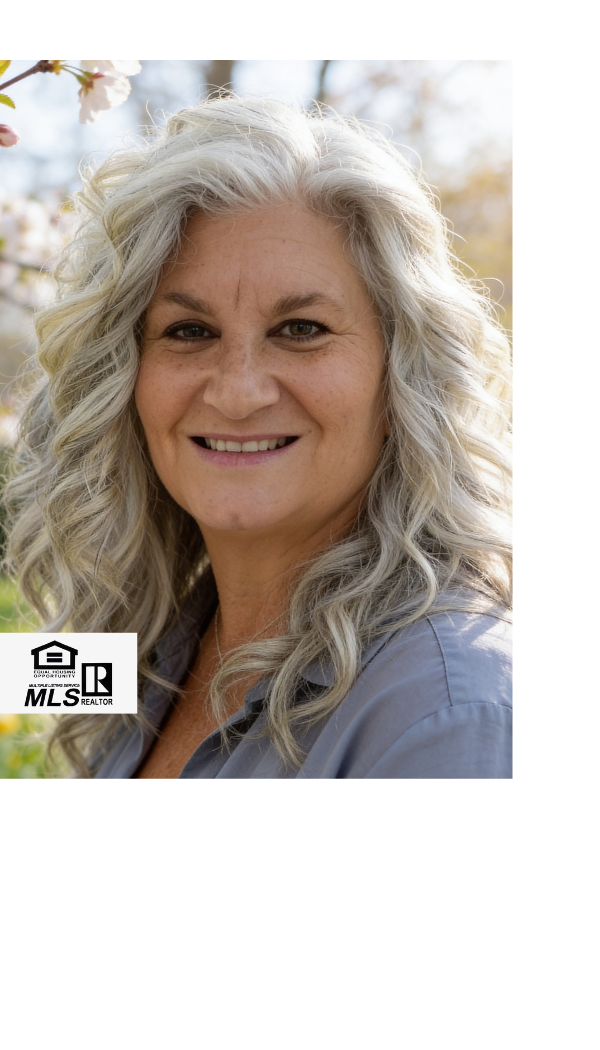
Heather Dozier brings more than 25 years as a licensed real estate broker and two decades of specialized experience with short-term vacation rentals and property management. She is a lifelong Outer Banks resident and your trusted Home & Lifestyle Expert.
Heather Dozier
Broker License ID: 197005
EPIQUE REALTY, INC.
Phone: 252-207-6686
Email: heatherdozierobxsales@gmail.com
Learn more about Heather: https://heatherdozierobxsales.epiquerealty.com/about
Ready to trade the rental calendar for a more intentional Outer Banks lifestyle?
Contact Heather. Run your property through HOME VALUE A.I.: https://heatherdozierobxsales.epiquerealty.com/evaluation
Review your tax and insurance questions with the appropriate professionals. Then create a curated plan for the next chapter of OBX living.
Categories
Recent Posts

GET MORE INFORMATION